When it comes to pumping, finding the right flange size is the most important thing for your comfort, breast pump performance, and milk expression. It’s a small detail that can make all the difference, as pumping should not hurt.
A flange size that is too big or too small could potentially lead to engorgement, clogged ducts, milk blisters, nipple damage, and a decrease in your milk supply. Not to mention, it can be very uncomfortable. Finding the right fit will likely help you maximize your milk output and make your pumping experience more efficient, gentle, and comfortable.
Your Flange Size Options
Women’s bodies and breasts are all different, so you’ll want to look for a breast pump that comes with a range of different flange sizes, too.
A common misconception is that a larger breast size means a larger nipple size, but the two are not always related. Additionally, larger nipples do not necessarily call for larger flanges, as there are other things to consider when looking at a flange size guide.
Most breast shapes and sizes aren’t perfectly symmetrical, and they may respond differently to a pump's suction.
Some women have very dense breast tissue, while others have more flexible tissue. Because of this, it may take a little trial and error to find the best breast pump flange size for you.
How to Measure Flange Size in 3 Easy Steps
Follow these simple steps to learn how to measure nipple size.
Step One: Measure Your Nipple
Use a nipple ruler, sizing tool, or soft tape measure to measure the nipple tip diameter, not your areola, at rest (before pumping). This measurement is your starting point.
If your nipple is flat or inverted, you can use a nipple everter tool to take more accurate measurements with a ruler.
Lansinoh Nipple Sizing Chart

Step Two: Find Your Flange Size
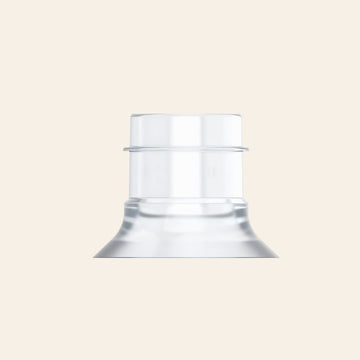
Choose the flange or flange inserts that correspond to your nipple measurement. Your nipple should fit comfortably in the center of the flange tunnel, with little to no areola pulled into it.
Both sides of your nipple should gently touch the walls of the tunnel with no air gaps on either side. However, if there is a lot of space around your nipple, and your areola is being pulled in, you will want to size down. Using a flange size chart can really help you compare your measurements to the manufacturer's options.
Lansinoh Flange Size Guide

Step Three: Adjust as You Go
Learning how to measure nipple size is not a one-and-done task. Nipple size and shape can change over time or even during a single pumping session. Each breast may also require a completely different size. Make sure to check in with your body and notice how you feel each time you pump.
Let Comfort Be Your Guide
You should never have to power through pain when pumping. Signs of an incorrect flange size include persistent pain, nipple trauma, too much areola in the tunnel, poor milk output, and breast or nipple swelling.
If your flange is too small, you'll notice:
-
Your nipples will rub along the sides of the tunnel, causing discomfort or pain.
-
A feeling of pinching or soreness in the nipple when pumping.
-
Your breasts don’t feel empty after pumping, or it takes a long time for them to feel empty.
-
Your milk stream will dribble or drip rather than a steady spray.
-
Your nipple will look misshapen when you finish your pumping session.
If your flange is too large, you'll notice:
-
A large portion of your areola is pulled far into the tunnel.
-
Discomfort or pain from too much sensitive tissue being drawn in.
Pro tip: Size down if too much areola is pulled in; size up only if your nipple rubs the tunnel walls.
You’ll know you’ve found the right flange when:
-
The flange fits comfortably around the contours of your breast without digging into your skin.
-
Only your nipple enters the tunnel during pumping.
-
Suction should feel comfortable, with no pain.
-
The sides of your nipple should gently touch the walls of the tunnel with no gaps.
-
Your milk comes out in strong sprays instead of dribbles.
-
Your breasts feel soft and lighter after pumping and should fully empty after 20-30 minutes, max.
-
Your milk supply improves or holds steady.
Pro tip: To maximize comfort for longer pumping sessions, try a pumping lubricant to reduce friction and optimize the seal between the pump and your skin. To protect and soothe nipples after pumping, try a nipple balm or lanolin nipple cream.
One Size Might Not Work Forever
Just like your changing body, your nipples may change throughout your breastfeeding journey. A flange that fits perfectly when your baby is one week old may not work as well when they are three months old. Check the flange fit from time to time, especially if you start to notice any discomfort during your pumping routine.
What’s more, some women need to switch to a larger flange size mid-pump because their nipples naturally expand from the suction. This is completely normal and happens to many moms, so please do not hesitate to adjust as needed. That’s why it’s a good idea to find a breast pump that comes with a range of flange sizes, like Lansinoh’s NaturalWave® or DiscreetDuo™ Flow Breast Pumps, which come with 5 different Lansinoh flanges and flange inserts to customize your fit.
Frequently Asked Questions
How to measure flange size?
Learning how to measure flange size is simple and takes just a few moments. You can use a dedicated nipple ruler or a standard household ruler. Just measure the tip of your nipple, excluding the areola.
How to use a flange size chart or nipple sizing tool?
Flange size charts and nipple sizing tools are extremely helpful in finding your best fit. To use a flange sizing kit, you will typically find several sizing circles. Try fitting your nipple into the different holes without forcing it. The right size will fit snugly around your nipple base without much empty space, and without pinching your skin. This helpful tool takes all the guesswork out of measuring.
What happens if my flange size changes?
It is common for your sizing needs to change during your pumping journey. Your nipples can change size due to normal hormonal shifts, weight changes, or even during a single pumping session. If you start to feel discomfort or notice that your milk output has decreased, it’s probably time to reevaluate your current flange size.
How often should I replace my breast pump flanges?
Typically, breast pump flanges should be replaced every 3-4 months, and flange size inserts every 3-4 weeks. You may need to replace them more often if you’re exclusively pumping.
What if I’m in between flange sizes?
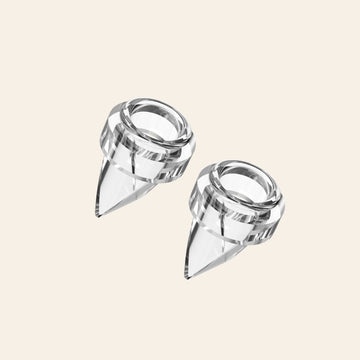
If you are in between two sizes and are asking yourself, “What size flange do I need?”, try using a soft silicone flange insert first. If you are still between sizes after trying an insert, try the next larger size and size down from there to see what feels most comfortable for your body.
Are all breast pump flange sizes the same?
Yes, flanges come in universal (mm) sizing, but how many come with each breast pump varies by breast pump brand and model. Be sure to check “what’s in the box” when shopping for a pump that works best for you.
Fit for a Queen
Finding the right flange size is an important step to refining your pumping routine. Remember to listen to your body, give yourself grace, and be patient with the process.
If you have questions about finding the best breast pump or flange size for you, our Customer Care Team, made up of moms and certified lactation counselors, is here to help!
You’ve got this, mama!
All content found on the Lansinoh.com website, including text, images, audio, or other formats, was created for informational purposes only. The content is not intended to be a substitute for professional medical advice, diagnosis, or treatment. Always seek the advice of your physician or other qualified health provider with any questions you may have regarding a medical condition. Never disregard professional medical advice or delay in seeking it because of something you have read on this website.