Returning to your job after having a baby brings a ton of changes. One of the biggest adjustments is figuring out how to manage breast milk supply while balancing your daily tasks. If you are feeling overwhelmed about bringing your breast pump to the office, this guide is here to help you set up a pumping schedule and find a rhythm that makes sense for your real life.
Understanding Pumping at Work Laws
Advocating for yourself can feel intimidating, but understanding the pumping at work laws is your first step toward a smoother transition. Most employees in the United States have the right to pump breast milk at work. Thanks to the Fair Labor Standards Act, the Affordable Care Act, and the Providing Urgent Maternal Protections (PUMP) for Nursing Mothers Act passed in 2022, your rights are federally protected.
This law states that nursing mothers may take a reasonable amount of time to pump. According to the breastfeeding and working laws, your employer must provide a clean, private, locked space that is not a bathroom for up to one year after giving birth. Employers must also allow employees to bring in personal coolers and ensure there is a place for the employee to store these items while working.
If necessary, you can refer to the specific law for pumping at work to help your employer understand the need for a dedicated space. There is no one way to be a mom, but we all deserve a safe, clean environment to provide for our babies.
How to Pump at Work: Planning Your Schedule
Figuring out how to pump at work requires a bit of planning. Look for a place where you can relax without interruption. Privacy helps your body release the necessary hormones for your milk let-down. Looking at photos or videos (video chats when possible!) of your baby can also help get the milk flowing when you are not physically with them. Try to avoid skipping sessions, as this signals your body to produce less milk over time.
For an effective routine, map out your breaks before your workweek begins and create a pumping schedule that fits your day. When you know exactly when you will step away, you can communicate this schedule to your managers and colleagues.
Moms are the queens of multitasking, so if you need to be creative with your time, you can read emails, review documents, or even eat lunch while pumping.
Pro tip: It’s normal for supply to drop slightly when going back to work, but with regular pumping, your supply can build back up again.
Finding The Right Pump for You
Investing in the right equipment makes this much easier. A wearable breast pump, like Lansinoh’s DiscreetDuo™ Flow, might work best for hands-free convenience, while a traditional pump that mimics the feeling of breastfeeding, like our NaturalWave® Double Electric Breast Pump, might be just the thing to encourage let-downs while away from your baby. Many insurance plans cover these devices, so you'll want to check whether your plan covers your pump.
Packing Your Pump Bag
Choose a pumping bag, diaper bag, or large tote that holds all your essentials for your commute and at work. Here are some of the most important things to remember:
-
Your breast pump with all its parts
-
Nursing pads in case of leaks
-
An insulated bag with ice packs for taking your liquid gold home
-
Labels—this is especially important if you’re not the only pumping mama around
-
Optional: A pumping bra (pro tip: our DiscreetDuo™ Flow Wearable Pump can be used with a regular bra!)
Feel like you’re forgetting something? Check out our full list of pumping bag must-haves.
Finding the Right Space
If you don’t have the option of a private office, talk to your human resources department. They might be able to convert an unused office or wellness space into a cozy, private area. You should never have to pump in the bathroom. It is not comfortable for you or a sanitary place to handle breastmilk!
Cleaning your Pump Parts
Chances are you’re going to pump at work twice a day, maybe more. Wash the pump parts with soap in a dedicated basin and air-dry them between uses. Bonus points if you have access to a dishwasher!
Another option is to invest in an extra set of bottles and pump parts. That way, you can rinse them on the spot and wait until you get home to properly clean them—a major time saver.
Storing and Transporting Breastmilk
Once you’ve finished pumping, you’ll want to refrigerate your breastmilk at work until it’s time to clock out. (Pumped milk can last four hours at room temperature, but this way you’ll have some extra peace of mind in case you get delayed.) Place the storage bottles or bags in the fridge or a personal cooler lined with ice packs. The same cooler can carry them during your commute home.
Your milk can stay in the fridge if you plan to use it within the next few days. Otherwise, into the freezer it goes (don’t forget to date it!). Learn more about safely storing breastmilk.
More Tips for Pumping Success at Work
Pumping breast milk requires dedication, resilience, and a lot of flexibility. You want to make the process as smooth as possible for you so you can focus on your job while providing for your little one. Here are a few ways to make the journey a little easier.
Make a Connection
If you know other moms who have pumped at the office, talk to them about their experiences. They can share solutions to challenges they face in the workplace. You can also connect with other parents on breastfeeding message boards and local support groups.
Make the Most of Your Time
Even if you only have five minutes between meetings, it is still worth hooking up your pump. Stimulation is more important for your body’s response than the total time spent pumping. However, a drained breast will replenish more milk, so ideally, you want to pump until empty whenever you can. If you have to cut a session short, it’s ok!
Pack Backup Gear
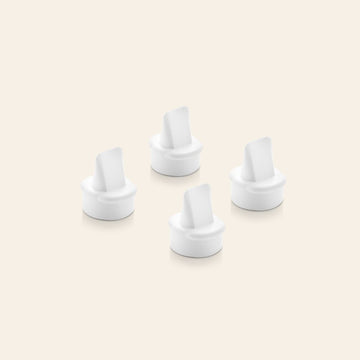
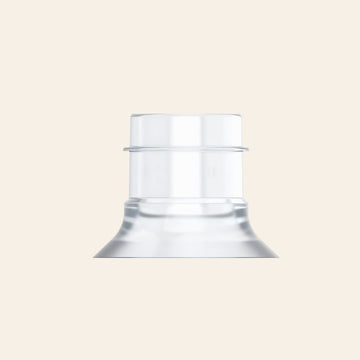
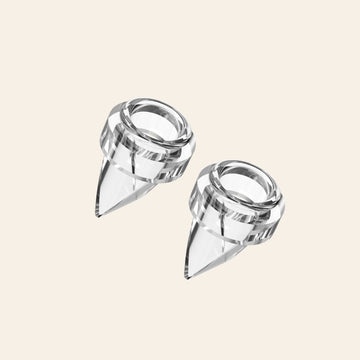
We have all been there. You get to the office, open your bag, and realize you forgot a crucial piece on the drying rack at home. Keeping Extra Parts Sets in your desk drawer or work bag ensures you never miss a session due to a forgotten piece.
Frequently Asked Questions
Do I have to clock out to pump at work?
Under the PUMP Act, if you are not completely relieved from your job duties while pumping, the time must be paid as work time. If you are completely relieved of duties, employers are not required to pay you for the break unless you use a paid break period that already exists. Always check your company's specific policy on clocking out.
How often to pump at work?
You should aim to pump as often as your baby would typically eat. For most infants, this means pumping every three to four hours. A standard eight-hour workday usually requires two to three pumping sessions to maintain your milk supply.
How long should you pump for?
Most sessions take about 15 to 20 minutes of active pumping time. However, you need to factor in the time it takes to walk to the lactation room, set up your equipment, store the milk, and wash your parts. Give yourself roughly 30 minutes for the entire process.
How to clean pump parts at work?
Knowing how to clean pump parts at work keeps your milk safe. You can use a dedicated wash basin in the office kitchen with warm water and dish soap. Scrub the parts, rinse them thoroughly, and let them air dry on a clean paper towel. If you lack time, you can use specialized breast pump cleaning wipes or store the parts in a resealable bag and wash them thoroughly when you get home.
What are the lactation room requirements?
By law, a lactation room must be a private space shielded from view and free from intrusion by coworkers and the public. It cannot be a bathroom. Ideally, it should feature a comfortable chair, a flat surface for your pump, access to electricity, and a locking door for complete privacy.
What is the fridge method for pump parts? Do you recommend it?
The fridge method, or "fridge hack," for pump parts is to skip washing flanges, bottles, and valves after every session by storing them in a sealed container or bag in the refrigerator. At Lansinoh, we follow the CDC guidelines, which do not recommend the fridge method due to the potential for bacterial growth.
What if my employer doesn’t provide accommodations for pumping at work?
Most states and localities have their own worker protection laws. For more information about the laws in your area, you may wish to contact your State Labor Office.
Making it Work at Work
Managing your milk supply while returning to your career takes a lot of practice and patience. By understanding the breast pumping laws for employers, setting up a consistent schedule, and giving yourself grace on the hard days, you can create a workplace pumping routine that works for you. Do not hesitate to advocate for yourself and connect with other working moms. We are cheering you on every step of the way.
You’ve got this, mama!
For more pumping tips, reach out via chat to our dedicated team of moms and lactation counselors on our Customer Care Team.
All content found on the Lansinoh.com website, including text, images, audio, or other formats, was created for informational purposes only. The content is not intended to be a substitute for professional medical advice, diagnosis, or treatment. Always seek the advice of your physician or other qualified health provider with any questions you may have regarding a medical condition. Never disregard professional medical advice or delay in seeking it because of something you have read on this website.