Summer is the perfect season for adventures, but if you have a new baby, you probably have questions (lots of them). What do you need to bring? How do you store breastmilk safely? How do you keep baby cool and comfortable?
This guide answers all of it, so consider this your go-to resource for summer travel with baby!
What to Pack: Baby Gear for Summer Travel
The temptation to pack everything is real, but the secret to stress-free travel is packing smarter, not just more stuff. So, let’s get into it - what baby gear do you need for summer travel?
Worth Bringing
-
A compact, travel-friendly stroller that folds quickly.
-
A lightweight baby carrier — essential for crowded airports, beaches, or anywhere a stroller is cumbersome.
-
A rechargeable sound machine — the familiar white noise can help baby sleep anywhere.
-
A travel crib or pack-and-play if your accommodation doesn't provide a safe sleep space.
-
A portable changing pad.
-
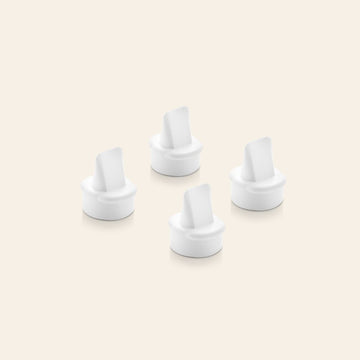
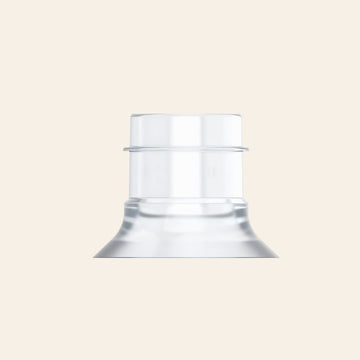
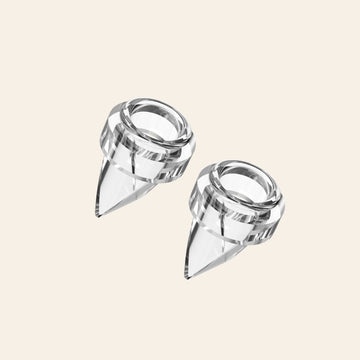
If you're breastfeeding or pumping, your full feeding kit: your regular breast pump and all its parts, a manual pump backup, milk storage bags, feeding bottles, and an insulated cooler bag.
Consider Renting at your Destination
-
A full-size stroller.
-
A highchair.
-
A crib or pack-and-play.
Pro Mom Tip: A pack-and-play can often be rented through baby gear rental services like BabyQuip, which delivers directly to your hotel or rental, saving luggage space and hassle.
Summer Travel Packing List for Baby
You’ve got the gear and pumping and feeding supplies, now it's time to pack for your little one. Here are summer must-haves:
-
Clothing made with light, breathable fabrics.
-
More diapers than you think you need, wipes, and diaper rash cream.
-
Mineral sunscreen SPF 30+ (for babies 6 months and older).
-
A wide-brimmed hat with a chin strap.
-
Sunglasses with UV400 protection for older babies.
-
UPF-rated clothing.
-
A lightweight blanket.
Keeping Baby Safe in the Sun
Babies, especially those under 6 months, cannot regulate their body temperature the way adults can, making them especially vulnerable to overheating. Avoid peak sun hours. The sun is hottest between 10 am and 4 pm. Plan outdoor activities for early morning or late afternoon.
Remember to keep your little guy or gal hydrated. For babies under 6 months, breast milk or formula provides all the hydration they need. For babies over 6 months who have started solids, small sips of water are fine in hot weather.
Dress them in light layers. Lightweight, loose-fitting clothing in breathable fabrics and light colors. A wide-brimmed hat is a must when outside in the hot sun.
Create shade wherever you go. Use a stroller canopy, pop-up beach tent, or a breathable muslin blanket draped with airflow. Make sure that you don’t completely enclose a stroller with a blanket, as this could trap heat and be dangerous.
Babies and Sun Protection
For babies under 6 months, the AAP recommends keeping them out of direct sunlight entirely. Use shade, clothing, and hats rather than sunscreen.
For babies 6 months and older, apply a broad-spectrum, water-resistant mineral sunscreen (SPF 30 or higher) formulated for babies with zinc oxide or titanium dioxide, which is gentler on sensitive skin than chemical sunscreens. Apply 15 minutes before going outside and reapply every 2 hours, or after water exposure.
Keeping Baby Cool in the Car
On a 75°F Day, a car's interior can exceed 100°F very quickly. Check the car seat before you buckle baby in, as the metal hardware and dark-colored fabric absorb heat and can cause burns. If the seat has been sitting in a hot car, cool it down first.
Use window shades. Clip-on or static-cling shades block direct sun from your baby's side of the car and help to reduce both heat and glare for a more comfortable ride.
Storing and Keeping Milk Cool During Summer Travel
Heat poses an extra challenge when it comes to storing breastmilk, but with the right setup, storing and transporting your milk safely can be completely manageable.
How to Keep Breast Milk Safe in Hot Weather
The practical summer rule: when in doubt, keep it cold. At room temperature (around 77°F), freshly expressed breast milk is safe for up to 4 hours. But summer temperatures — especially in a hot car, on a beach, or in direct sun — can go up fast, shortening the safe window.
Always use an insulated cooler bag with a frozen gel ice pack. Per CDC guidelines, milk in a well-insulated cooler with ice packs is safe for up to 24 hours.
Keeping Milk Cold During a Flight
Use a quality insulated cooler bag with a frozen gel ice pack. TSA guidelines allow you to bring stored breastmilk on board with an ice pack. However, expect it to be screened separately.
Many airports now have dedicated lactation rooms in the terminals — check out your airport's website or app before you travel. Once you land, if milk is still cold to the touch, it's safe. Per CDC guidelines, freshly pumped milk is good for up to 4 hours at room temperature and up to 4 days in the fridge.
Flying with Baby Formula
Formula, whether it's a premixed liquid, a concentrate, or a powder, is also exempt from TSA's liquid rule. You can bring as much as you need. Single-serve powder packets are a convenient option for travel since they don’t require refrigeration until mixed.
If you're traveling internationally, buy enough formula before you leave, as brands and formulations vary by country and your usual formula may not be available everywhere.
Storing Breastmilk and Formula on the Road
Freeze breastmilk before your road trip when possible; frozen milk acts as its own ice pack and stays safe longer. Store flat in Breastmilk Storage Bags to save space and make thawing easier, and label everything clearly with the date and time, so nothing goes to waste.
For a road trip with baby formula, store prepared bottles in a cooler with ice packs (safe for up to 24 hours in a fridge or 2 hours at room temp) and pack extra powdered formula in pre-measured dispensers or containers to minimize mess and ensure you have enough for the whole trip. Keep the formula away from direct heat and use bottled water for mixing.
A Note Before You Pack
Traveling with a baby looks a little different than it used to, but with the right gear, a flexible mindset, and some well-stocked bags, your summer adventures are totally doable with a baby on board.
You’ve got this, mama!
Frequently Asked Questions
When can you fly with a baby?
Most airlines allow babies as young as 2 weeks old, but many pediatricians recommend waiting until 2 months, when initial vaccinations are complete. Always consult your baby’s doctor before flying with a newborn.
How do I keep breast milk cool on an airplane?
Breast milk is classified as a medically necessary liquid and is exempt from the standard 3.4-ounce liquid rule. You can bring as much as you need through security, even if you're not traveling with your baby. Just let the TSA agent know before screening.
What is the best way to store breast milk while traveling in the summer?
Always use an insulated cooler bag with a frozen gel ice pack. Per CDC guidelines, milk in a well-insulated cooler with ice packs is safe for up to 24 hours.
Do airlines charge for strollers?
Usually, no. Most major U.S. airlines allow one stroller per ticketed passenger to be checked for free, either at the counter or at the gate. Gate-checking is most convenient — your stroller is usually waiting as you deplane.
Can I breastfeed on a plane?
Absolutely. You have the legal right to breastfeed anywhere you are permitted to be, including on an airplane. A nursing cover is optional.
How do I handle time zone changes with a baby?
Start gradually shifting feeding and sleep times before you leave — 15 to 30 minutes earlier or later each day. Once you arrive, get outside in the morning light, which helps reset the body clock.
Can you take a car seat on a plane?
Yes, and the AAP strongly recommends it for babies and toddlers. An FAA-approved car seat used on a plane provides additional protection during turbulence or an emergency. Look for the FAA approval label on your car seat before you fly.
Summer Travel Packing Quick List for Baby
Feeding and pumping:
-
Breast pump and all parts
-
Breastmilk storage bags
-
Breastmilk storage cooler bag with ice pack
-
Formula and/or bottles
Diapering:
-
More diapers than you think you need.
-
Travel wipes.
-
Portable changing pad.
-
Diaper rash cream.
Sun and heat safety:
-
Mineral sunscreen SPF 30+ (babies 6 months and older).
-
Wide-brimmed hat with chin strap.
-
UPF-rated clothing.
-
Portable clip-on fan.
Sleep:
-
Travel crib or pack-and-play (or confirm at your destination).
-
Sound machine.
-
Temperature-appropriate sleep sack.
-
Travel blackout shade.
-
Light blanket.
On the go:
-
Compact stroller.
-
Lightweight baby carrier.
-
Car window shades.
-
Small comfort toy or teether.
-
Extra change of clothes (for baby and you).